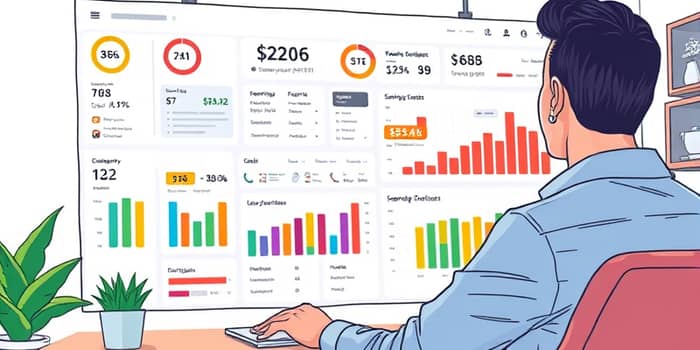
In an era where expenses can spiral without notice, having a clear vision of spending goals is essential for financial peace of mind. Your Spending Scorecard is more than a ledger—it’s a detailed map guiding you toward lasting prosperity.
Understanding Your Spending Scorecard
Your Spending Scorecard transforms raw numbers into actionable insights, offering a window into how each purchase aligns with your broader objectives. By measuring performance across diverse dimensions, you gain balanced evaluation across key perspectives that highlight both strengths and areas for refinement.
This approach borrows from the renowned Balanced Scorecard framework, applying its four perspectives—financial, customer, internal processes, and learning & growth—to your personal finances. The result is a multidimensional view that surpasses basic budgeting methods, helping you pinpoint opportunities to optimize spending habits and fuel long-term success.
Building a Holistic Financial Health Assessment
A robust scorecard looks beyond income and expenses. It considers cash flow reliability, debt management effectiveness, investment performance, and more. With this meaningful financial insights over time, you won’t just see where your money goes—you’ll understand why patterns exist and how to shift them.
- Financial Perspective: Profitability, savings growth, and cost efficiency.
- Customer Perspective: Satisfaction levels with financial service providers.
- Internal Processes: Quality and efficiency of transaction tracking.
- Learning & Growth: Skill building in budgeting, investing, and planning.
By assessing each dimension, you cultivate a comprehensive assessment that reveals hidden pressures, such as overspending on non-essentials or underfunding critical reserves. Your framework becomes a mirror reflecting your true financial health, not just your bank balance.
Tracking Essential Financial Metrics
Quantifying progress relies on well-chosen metrics. These indicators serve as milestones, showing you when to celebrate achievements or make strategic pivots. Focus on metrics that align with your values and current life stage.
- Net Worth: The difference between assets and liabilities—your true financial standing.
- Cash Flow: Net cash inflow or outflow each month, indicating liquidity health.
- Debt-to-Income Ratio: Measures debt load relative to earnings, flagging overextension.
- Savings Rate: Percentage of income set aside, fueling future goals.
Regularly revisiting these figures creates accountability. Trends emerge, guiding adjustments in saving strategies or debt repayment plans. Small course corrections early can prevent larger setbacks later, ensuring steady progress toward financial independence.
Over time, these indicators yield actionable data to improve habits, empowering you to cut unnecessary spending and amplify investments that truly matter.
Tools and Platforms for Expense Tracking
Selecting the right tools streamlines data collection and analysis, so you spend more time acting on insights and less time wrestling with spreadsheets. Modern apps automate categorization, generate forecasts, and even alert you when you’re veering off course.
Whether you choose a mobile-first app or a desktop solution, look for features that align with your habits. A clear interface and automated reports can make the difference between consistent use and abandoned subscriptions.
Advanced features like AI-powered expense categorization and predictive alerts turn raw data into comprehensive view of account activity, anticipating trends before they become issues. Look for platforms offering secure encryption and cross-device synchronization to protect your privacy while keeping data accessible wherever you go.
Implementing Your Scorecard Strategy
Once you’ve designed your scorecard and chosen your tools, it’s time for action. Consistency in data entry and thoughtful reflection on results are key. Keep the process manageable to foster ongoing engagement.
- Set a Measurement Cadence: Decide whether monthly or quarterly reviews fit your lifestyle.
- Define clear action thresholds: Establish trigger points, like a 20% variance, to prompt plan adjustments.
- Document key lessons learned from reviews: Jot down successes and challenges to inform future planning.
By embedding this routine into your calendar, you transform financial oversight from an occasional task into an empowering habit. Over time, you’ll notice improved discipline, sharper insights, and enhanced confidence in decision-making.
Engage family members or accountability partners by sharing selected scorecard insights. Collaborative reviews can uncover blind spots and spark innovative solutions, ensuring that everyone remains aligned toward financial goals.
Maintaining Momentum and Achieving Goals
Progress tracking is a dynamic journey, not a destination. As your goals evolve—whether buying a home, funding education, or securing retirement—your scorecard must adapt. Periodic recalibration ensures ongoing relevance and effectiveness.
Celebrate milestones to reinforce positive behavior. Visual cues, like progress bars or achievement badges within apps, can provide a motivational boost. Pair financial check-ins with personal rewards, such as a modest treat after hitting a savings target.
Above all, remember that your scorecard is a tool for empowerment. It shines a light on your path forward, helping you seize opportunities and navigate challenges. With disciplined tracking, strategic adjustments, and a commitment to learning, you’ll build a financial future anchored in clarity, resilience, and purposeful progress.
References
- https://aspire-planning.com/blog/2025/11/19/your-financial-health-scorecard-measuring-progress-beyond-your-portfolio
- https://www.townebank.com/personal/resource/credit/trouble/progress/
- https://www.gierschgroup.com/News/BudgetBalanceScorecard
- https://www.strikingly.com/blog/posts/top-5-customized-financial-goal-tracking-platforms
- https://xmind.com/blog/balanced-scorecard-framework
- https://www.experian.com/blogs/ask-experian/how-to-track-your-expenses/
- https://www.peakframeworks.com/post/balanced-scorecard
- https://use.expensify.com/blog/personal-expense-tracker-apps
- https://online.hbs.edu/blog/post/balanced-scorecard
- https://www.purdueglobal.edu/blog/student-life/budgeting-apps-personal-finance-tools/
- https://hbr.org/1992/01/the-balanced-scorecard-measures-that-drive-performance-2
- https://www.nerdwallet.com/finance/learn/tracking-monthly-expenses
- https://www.intrafocus.com/2024/06/four-perspectives-of-the-balanced-scorecard/
- https://www.tability.io/odt/articles/progress-tracking-made-simple-tools-and-techniques-for-goal-tracking-success
- https://www.clearpointstrategy.com/blog/full-exhaustive-balanced-scorecard-example
- https://www.munich-business-school.de/en/l/business-studies-dictionary/financial-knowledge/balanced-scorecard