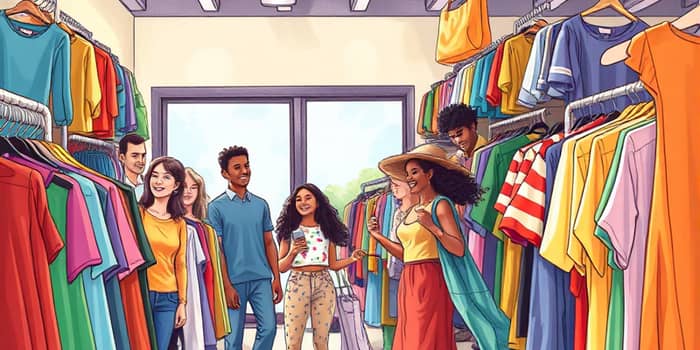
In a world of economic uncertainty and rising living costs, thrift shopping has evolved from a niche pastime into a transformative movement. It combines financial strategy, environmental responsibility, and community engagement in a single pursuit: maximizing value from every purchase.
From bustling city thrift markets to online resale platforms, consumers nationwide are discovering that secondhand shopping can deliver high quality, low cost, and lasting satisfaction.
The Rise of the Secondhand Revolution
Over the past decade, the secondhand market has undergone a dramatic metamorphosis. No longer confined to hidden aisles or dusty charity storefronts, thrifting is at the forefront of retail innovation and social change.
In 2023, the U.S. secondhand market generated $53 billion in revenue, and by 2029 it is projected to climb to $74 billion. This explosive growth is fueled by shifting consumer attitudes, with 75% of shoppers open to buying or having already purchased secondhand apparel.
Today, there are over 29,000 thrift stores across the U.S., collectively employing more than 222,000 people. These shops range from large nonprofit organizations to small local boutiques, each contributing to an ecosystem that values community-driven commerce.
Industry experts note that the resale market is expanding eleven times faster than traditional retail. With online resale growing 23% in 2024, digital channels are creating new pathways for thrifters and sellers alike.
Why Consumers Are Embracing Thrift
Economic pressures remain a primary driver for thrift shopping. Inflation and rising prices cause 59% of consumers to turn to secondhand options, a trend notably strong among millennials (69%) and Gen Z shoppers.
- Save an average of $1,760–$2,071 per year by purchasing secondhand instead of brand-new items.
- 66% of Americans now thrift regularly to balance their budgets in times of financial uncertainty.
- Interest in sustainable lifestyles drives 60% of consumers to shop secondhand for its reduced environmental footprint.
- Digital natives are boosting e-commerce sales, with 93% of U.S. thrifters shopping online for pre-owned goods.
Beyond cost savings, many shoppers relish the thrill of discovery—finding unique, often one-of-a-kind treasures that stand apart from mass-produced products.
Local thrift stores also foster a sense of belonging, bringing neighbors together for donation drives, community events, and charity fundraisers.
Financial Benefits of Thrift Shopping
Thrift shoppers visit stores an average of five times per month, turning each trip into an opportunity to uncover value. Whether hunting for clothing, furniture, or electronics, the financial upside is undeniable.
Households that embrace secondhand purchasing typically save around $150 per month. Over a year, these savings can be redirected toward emergency funds, education, or retirement accounts—assets that compound in value over time.
Consider the case of a young family that thrifted nearly all of its children’s items. By sourcing gently used strollers, toys, and clothing, they trimmed their yearly expenditure by over $2,000, allowing them to invest in a college savings plan.
Additionally, many thrift items benefit from a lower depreciation curve. High-quality goods purchased secondhand often retain their utility and style, extending the useful life of each dollar invested.
Demographics Driving Growth
Thrift shopping appeals to a broad demographic spectrum. However, certain age groups and cultural segments are particularly influential.
Gen Z leads with exceptional engagement: 34% of this cohort shop exclusively at thrift stores, and 33% of secondhand buyers are millennials. Overall, 18.1% of thrift shoppers are aged 18–24, while 29.7% fall within the 25–34 bracket.
Older generations are joining in as well: 32% of consumers aged 38–55 and 16% aged 56–65 are open to purchasing secondhand clothing.
This cross-generational embrace signals that thrift is more than a trend—it’s a lasting shift in consumer culture.
Sustainability and Community Impact
By purchasing secondhand clothing, consumers significantly reduce their environmental impact. An estimated 1.4 billion secondhand apparel items were sold in the U.S. in 2022—marking a 40% increase from the previous year.
Thrifting helps divert millions of tons of textile waste from landfills. Each repurposed garment saves water, energy, and raw materials that would otherwise support new production.
Moreover, many thrift stores operate as nonprofits, channeling profits back into local initiatives—job training, youth mentorship, and homelessness prevention programs.
The Digital Thrift Frontier
Digital innovation has transformed how thrift shoppers connect with sellers and each other. From social media marketplaces to dedicated resale apps, the online thrift ecosystem is booming.
- Mobile-friendly platforms enable snap-and-list features, letting users sell and shop on the go.
- AI-driven recommendations help buyers find items tailored to their style, boosting engagement and conversion rates.
- Virtual try-on tools and augmented reality previews minimize purchase uncertainty and reduce return rates.
As technology advances, expect more personalized, seamless shopping experiences—bridging the gap between physical treasure hunts and digital convenience.
Practical Tips for Thrifters
Achieving thrift shopping success involves a mix of strategy, patience, and creativity.
- Do your research: Follow social media channels and online groups to learn about high-value brands and upcoming sales.
- Quality over quantity: Focus on durable fabrics, reputable labels, and items with minimal signs of wear.
- Negotiate respectfully: In smaller shops and markets, polite haggling can unlock deeper discounts.
- Upcycle and repair: Embrace DIY tweaks—replacing buttons, hemming, or dyeing can breathe new life into finds.
- Give back: Donate or consign items you no longer need, creating a circular cycle of value for others.
By honing these skills, thrifters can elevate their finds from mere bargains to long-term wardrobe staples or home essentials.
Looking Ahead: The Future of Thrift
Industry projections indicate that the U.S. secondhand market will continue to surge, reaching $74 billion by 2029 and generating new opportunities for consumers and entrepreneurs alike.
Future growth drivers include untapped demographics, suburban expansion of resale platforms, and greater integration of blockchain for authenticating luxury goods.
As economic pressures persist and environmental concerns intensify, the value of thrift will only become more pronounced. This movement represents a beacon of resilience—an approach that empowers consumers to stretch budgets and strengthen communities.
In embracing thrift, we affirm that every dollar spent can advance not only personal goals but also collective well-being and environmental stewardship.
References
- https://www.amraandelma.com/thrift-store-marketing-statistics/
- https://capitaloneshopping.com/research/thrifting-statistics/
- https://tonionthrifting.com/2025/05/04/how-thrift-shopping-is-changing-in-2025/
- https://www.narts.org/i4a/pages/index.cfm?pageID=3285
- https://bestcolorfulsocks.com/blogs/news/secondhand-clothing-revenue-statistics
- https://talkerresearch.com/why-2-in-3-are-turning-to-thrifting-regularly/
- https://www.bankvogue.com/7-impactful-second-hand-wholesale-statistics-for-2025/