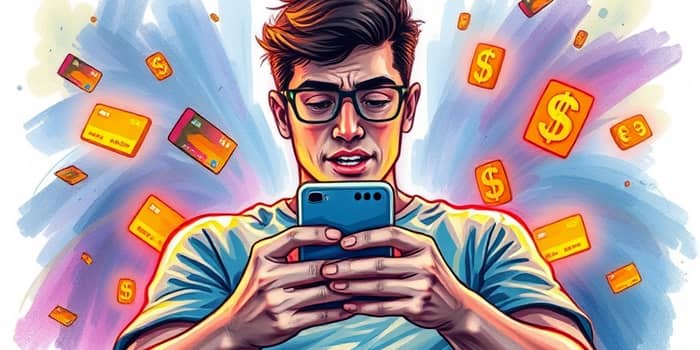
Our relationship with money is more than numbers; it's a tapestry woven by brain chemistry, emotions, and social cues. By exploring the hidden forces driving your purchases, you can transform impulse into intention.
The Pleasure and Pain of Paying
Every purchase triggers a cascade of neural signals. When a sale seems irresistible, your brain floods with powerful feel-good chemical dopamine, creating an instant hit of happiness.
Yet, the act of handing over cash introduces the significant pain of paying—a psychological sting that serves as a brake on spending. Cash transactions make each purchase tangible, invoking what researchers call a moral tax on purchases. This contrast between pleasure and pain reveals why digital payments can feel so effortless in comparison.
Emotions further complicate our choices. In moments of stress or sadness, the urge to buy intensifies as we seek comfort. This emotional regulation through spending often leads to regret once the thrill fades.
Spendception: The Digital Spending Trap
Advances in payment technology have reshaped how we perceive value. The concept of Spendception captures four key dimensions that influence consumer behavior.
- Psychological visibility of spending
- Perceived spending control
- Ease of digital payment
- Emotional detachment
By minimizing the psychological barriers to overspending, digital wallets and contactless cards foster a seamlessly frictionless purchasing experience that can bypass our usual defenses.
The Role of Impulse Buying
Impulse purchases are the bridge between Spendception and actual spending. Research reveals a strong link: higher Spendception correlates with more impulsive buys, and those spur-of-the-moment decisions then drive overall consumer purchase behavior.
In one study, the path from Spendception to impulse buying had a coefficient of 0.47, while impulse buying to purchase behavior stood at 0.544. Gender plays a role too, as women often exhibit greater emotional responsiveness, making them more susceptible to these instant temptations.
Social and Environmental Influences
We don't shop in a vacuum. Social media, advertising, and peer pressure feed our desires. Seeing friends flaunt the latest gadgets or outfits triggers a powerful urge to keep up, especially when limited-time deals heighten the sense of urgency.
This continual exposure amplifies our spending drives, intertwining personal habits with broader cultural forces. Recognizing this dynamic allows you to step back and question whether a purchase is personally meaningful or simply a reaction to external stimuli.
Practical Strategies for Managing Spending
- Implement a cooling-off period by waiting days before buying.
- Set clear, realistic budgets and track every expense.
- Practice mindful spending by identifying emotional triggers.
These approaches break the cycle of impulsive decisions, granting time to evaluate real needs versus fleeting desires. By delaying gratification, you often find the craving subsides entirely.
Building Healthy Spending Habits
- Adopt mental accounting to allocate funds intentionally.
- Create personal spending rules like “no takeout on weekdays.”
- Review past purchases to learn what truly added value.
Developing these rules anchors your behavior, turning good intentions into lasting routines. Over time, the cumulative effect of these small decisions can yield significant savings and greater financial peace of mind.
Conclusion
Our spending habits mirror our inner worlds: they reflect emotions, social pressures, and the architecture of modern payment systems. By shining light on these hidden mechanisms, you reclaim control over your finances and your life.
Empower yourself to spend with awareness, harness positive habits, and replace regret with purpose. Every choice you make is a step toward a more intentional, fulfilling relationship with money.
References
- https://pmc.ncbi.nlm.nih.gov/articles/PMC11939284/
- https://www.stmarysbank.com/learn/tools---resources/blog/detail/the-psychology-of-spending-and-how-to-manage-it
- https://betterworld.mit.edu/spectrum/issues/winter-1999/the-psychology-of-spending/
- https://www.apa.org/news/podcasts/speaking-of-psychology/shopping-behavior
- https://www.neuroscienceof.com/branding-blog/behavioral-economics-consumer-behavior-merle-van-den-aaker-interview
- https://www.deloitte.com/us/en/insights/industry/retail-distribution/consumer-behavior-trends-state-of-the-consumer-tracker.html