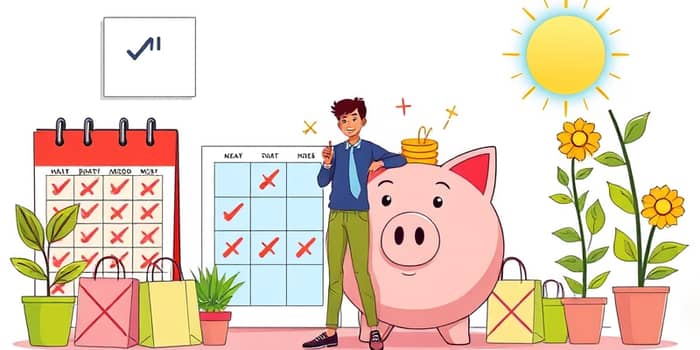
Our modern world encourages spending at every turn, from coffee kiosks on morning commutes to one-click online shopping. Over time, even small purchases can erode savings and fuel unhealthy habits. The spending freeze challenge offers a powerful reset, inviting you to pause discretionary spending, cultivate mindful habits, and emerge with a clearer financial vision.
What Is a Spending Freeze?
A spending freeze, also known as a no-spend challenge, is a commitment to avoid all non-essential purchases for a set period. During this time, you cover only absolute necessities like housing, utilities, groceries, and transportation. Everything else—from daily coffee runs to impulse buys—must wait until the freeze ends.
Typically lasting anywhere from a single week to several months, the challenge acts like a detox for your finances. By removing habitual spending cues, participants often discover how much they spent without noticing it, and begin distinguishing genuine needs from wants.
Financial Benefits of Freezing Your Spending
When you commit to a spending freeze, the most immediate impact is on your wallet. Participants regularly report saving significant amounts of money in surprisingly short timeframes. One family documented an extra $750 banked in just one month. That money can then be redirected toward emergency funds, debt repayment, or a long-term goal such as a dream vacation.
Beyond the immediate savings, a spending freeze can accelerate progress toward larger financial milestones. Whether you aim to build a six-month emergency fund or pay down student loans, the focused discipline of a freeze provides a jumpstart.
Psychological and Behavioral Gains
Financial improvements are only part of the story. A spending freeze delivers profound mental shifts. By cutting off impulse buys, you break the cycle of impulse purchasing and begin to recognize triggers such as boredom or stress. This new awareness paves the way for healthier coping strategies.
Research suggests it takes around 21 days to build new spending habits in 21 days. As decision points shrink, you’ll also reduce decision fatigue and mental clutter, making it easier to focus on priorities. For individuals with ADHD, this clarity can be especially transformative, establishing clear boundaries and reinforcing self-control.
Participants often report a boost confidence and sense of accomplishment once they complete their challenge. That newfound self-assurance frequently spills over into other areas of life, from healthier routines to improved productivity at work.
How to Prepare and Structure Your Challenge
Success begins with thoughtful preparation. Before you start, take a detailed look at last month’s spending. Identify recurring subscriptions, daily habits, and impulse expenses. Then, decide which categories are off limits for the duration of your freeze.
- Review credit card statements and bank transactions to spot non-essential spending
- Create a clear definition of “necessary” expenses versus “wants”
- Set a realistic duration and consider category-specific freezes (e.g., no dining out)
- Inform friends or family for accountability and support
- Establish an emergency fund threshold to prevent stress during the challenge
Practical Tips to Stay Accountable
Maintaining momentum over days or weeks requires planning. Choose strategies that resonate with your lifestyle and preferences:
- Keep a spending journal, noting every dollar saved or redirected
- Check off each no-spend day on a visible calendar or habit-tracking app
- Partner with a friend or join an online community for mutual encouragement
- Reward milestones with free or low-cost activities, like a nature walk or home cooking night
- Visualize your end goal daily to stay motivated through temptation
Long-Term Lifestyle Shifts
Completing a spending freeze often triggers lasting change. Many participants find they increase awareness of spending patterns, making conscious purchases even after the freeze. You may develop a new appreciation for possessions you already own and embrace creativity by repurposing items rather than buying replacements.
On an environmental level, reducing unnecessary consumption contributes to a smaller ecological footprint. Simplifying your life can also reduce stress, offering mental space for hobbies, relationships, and personal growth.
Variations and Customizations
The spending freeze is adaptable to diverse lifestyles. If a full freeze feels too intense, consider:
- A category-specific challenge (e.g., no online shopping or dining out)
- A shorter initial trial (one week) to build confidence
- Combining the freeze with a decluttering project to enhance focus
These modifications can ease you into the discipline and still yield powerful insights into your spending habits.
Embrace the Challenge and Transform Your Habits
Starting a spending freeze is more than a budget hack—it’s an opportunity to reshape your relationship with money, values, and self-control. As you navigate temptation, celebrate each victory and reflect on what truly enriches your life. By the end of your challenge, you’ll emerge with fresh financial momentum, clearer priorities, and a renewed sense of purpose.
Are you ready to hit pause on impulsive spending and unlock a stronger, more mindful version of yourself? Take the first step today and discover how far a spending freeze can carry you on the path to long-lasting habit change.
References
- https://habitsandhome.com/how-a-freeze-creates-better-spending-habits-for-adhd/
- https://www.nonprofitpro.com/article/federal-judge-temporarily-halts-3t-federal-funding-freeze-affecting-numerous-nonprofits/
- https://momsavesmoney.net/no-spend-challenge-benefits/
- https://www.farmaid.org/issues/farm-policy/frozen-federal-funds-hurt-farmers/
- https://shiragill.com/one-month-spending-freeze-challenge/
- https://sustainableagriculture.net/blog/funding-freeze-impacts-farmers-and-organizations-speak-out/
- https://www.kiplinger.com/personal-finance/home-savings/reset-your-financial-mindset-with-a-no-spend-challenge
- https://www.hklaw.com/en/insights/media-entities/2025/02/navigating-the-federal-funding-freeze-for-transportation-projects
- https://www.truist.com/money-mindset/principles/budgeting-by-values/no-spend-challenge
- https://www.healthcaredive.com/news/trump-freezes-federal-grants-healthcare-medicaid-providers/738449/
- https://www.busybudgeter.com/rules-for-a-spending-freeze-and-how-to-save-a-quick-1000/
- https://www.getpennies.com/30-day-no-spend-challenge-guide/
- https://bautisfinancial.com/encourage-yourself-to-save-more-by-completing-a-no-spend-challenge/
- https://thedollarstretcher.com/personal-finance/how-a-no-spend-month-can-benefit-your-budget/