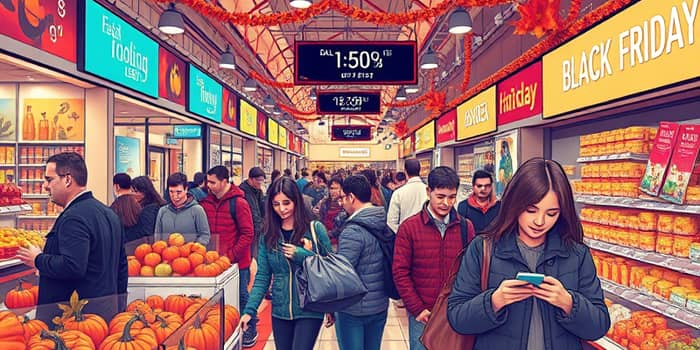
The holiday season has never been more complex, with consumers balancing early promotions, compressed shopping windows, and unpredictable spending patterns. This guide will help you pinpoint the optimal moments to make purchases and the times when patience can yield substantial savings.
Understanding the Holiday Spending Landscape
In 2025, shoppers plan to spend an average of $1,595, a 10% decline from last year. Despite this drop, the season remains a critical revenue driver, accounting for over 20% of many merchants’ annual sales. Consumer sentiment is timid and uncertain about their purchases, with 84% expecting to cut back and 75% planning reduced holiday budgets.
The compressed timeline—Thanksgiving to Cyber Monday spanning only five days—now captures nearly 39% of total holiday spending. Yet nearly half of consumers start shopping before November, and 62% continue buying into December. Millennials are leading an early-shopping charge, shifting material spending forward into August, September, and October.
When to Buy: Seizing Early-Season Opportunities
Retailers are pulling promotions forward, with 78% launching deals in October. Nearly 43% of shoppers take advantage of pre-Black Friday markdowns, and 38% plan October purchases, up from 24% last year. Early buying helps you avoid stock shortages and shipping delays as demand peaks closer to the holidays.
- Take advantage of October deals before limited inventory runs out.
- Lock in lower price guarantees with price-matching offers.
- Spread out your budget over several months to avoid year-end spikes.
- Leverage Buy Now, Pay Later (BNPL) to manage cash flow.
BNPL accounted for $18.2 billion in 2024 and is expected to reach $20 billion this season. Using it strategically during early sales can free up funds for last-minute gifts or holiday events.
When to Wait: Timing Peak Sale Events
Despite the early rush, Black Friday and Cyber Monday remain unmatched for deep discounts. Black Friday online sales hit $74.4 billion in 2024, and Cyber Monday reached $13.3 billion. These events still draw 87% of shoppers, making them prime times for electronics, appliances, and high-ticket items.
- Black Friday: Best for doorbusters on major electronics and home tech.
- Cyber Monday: Ideal for online-only flash deals and exclusive bundles.
- Post-Cyber Week: Watch for extended deals and price adjustments.
Remember that limited-time seasonal offers drive a 43% surge in urgency purchases, so only wait if you’re comfortable watching trackers and setting alerts for restocks.
Strategic Shopping Tips: Balancing Smart Buys and Patience
Successful holiday shopping blends timing with savvy tactics. Mobile devices account for over 56% of online holiday purchases, so optimize your strategy for smartphones. Use apps that track price history and send push alerts for drops.
- Compare desktop and mobile pricing—some deals are exclusive to one channel.
- Stack coupons and cashback offers to amplify discounts.
- Monitor generative AI tools to generate customized deal alerts.
With 70% of shoppers engaging in three or more deal-seeking activities, integrating multiple tactics can yield maximum savings on every purchase. Prioritize purchases based on product category and discount trends.
Risk Assessment: Avoiding Impulse Pitfalls
High-urgency campaigns can lead to overspending. To prevent buyer’s remorse, set a strict holiday budget and track every order. Consider these precautions:
By combining disciplined spending with strategic timing, you can navigate promotions without compromising your finances.
Retailer Strategies: How Stores Influence Timing
Retailers are no longer confined to a single weekend. Early merchandising, targeted messaging, and product bundling create a continuous sales stream. Bundles can raise average order values by 28%, as complementary items encourage upsells.
Major chains now advertise “Black Friday deals all week,” using scarcity cues and flash sales. To counter this, track key items’ historical discount patterns and adjust expectations accordingly.
Sustainability and Ethical Shopping
Fifty-six percent of consumers aim to minimize packaging waste. Younger shoppers gravitate toward eco-friendly brands that promise recycled or minimal packaging. When you buy early, you can also opt for consolidated shipping to reduce carbon footprint.
Consider digital gift cards or experience-based presents to cut down on physical waste and create lasting memories.
Conclusion: Crafting Your Personalized Strategy
The 2025 holiday season demands a dual approach: buy early for peace of mind and wait for peak events to maximize deep discounts. Use BNPL judiciously, track mobile and desktop deals, and maintain a strict budget to avoid overspending. Recognize the tactics retailers employ and turn them to your advantage while supporting sustainable practices.
With this roadmap, you can feel empowered, avoid the last-minute scramble, and secure the best possible deals. It’s not just about spending less; it’s about shopping smarter and celebrating more joyfully this holiday season.
References
- https://www.pwc.com/us/en/industries/consumer-markets/library/holiday-outlook-trends.html
- https://www.amraandelma.com/season-marketing-statistics/
- https://www.mckinsey.com/industries/retail/our-insights/holiday-shopping-trends
- https://queue-it.com/blog/black-friday-statistics/
- https://www.experian.com/blogs/marketing-forward/2025-holiday-shopping-trends/
- https://business.adobe.com/resources/holiday-shopping-report.html
- https://www.deloitte.com/us/en/insights/industry/retail-distribution/holiday-retail-sales-consumer-survey.html