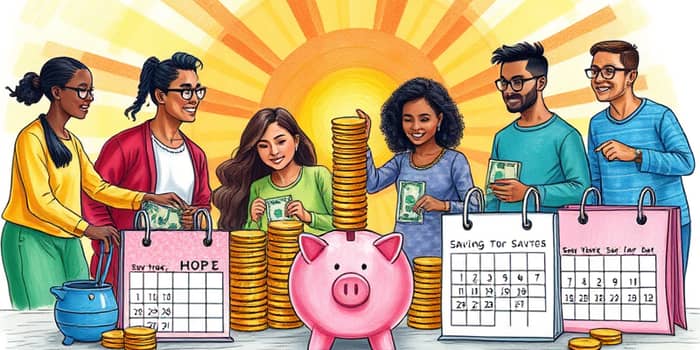
Every day brings unexpected challenges, from sudden car repairs to urgent medical bills. Yet, most Americans find themselves struggling to cover unexpected costs, relying on credit cards or dipping into retirement accounts. Building a strong savings routine isn’t just about discipline—it’s about creating lasting financial resilience in the face of uncertainty.
In this article, we’ll explore the current state of savings in the United States, uncover generational behaviors, analyze credit card dependency, and offer practical strategies to help you develop a robust emergency fund.
The Emergency Savings Crisis Today
Recent data reveal a worrying picture: eight in ten Americans haven’t increased their emergency savings since the start of 2025. Nearly 73% are saving less for emergencies due to inflation, rising prices, higher interest rates, or changes in income. A staggering 37% used their emergency savings in the past year, leaving many households vulnerable.
Despite widespread awareness of the importance of a rainy-day fund, only 27% of consumers can cover a major expense without relying on credit. More than half of Americans (51%) would turn to a credit card to cover a $500 emergency, while a third carry more credit card debt than emergency savings.
This gap between ideal preparedness and reality has profound implications for financial security and mental well-being. With unexpected events occurring more frequently, now is the time to take decisive action.
Generational Savings Habits
Savings rates and habits differ significantly across age groups. Understanding these patterns can inspire targeted approaches to habit-building.
Gen Z leads in emergent savings growth, with 28% reporting an increase in 2025, yet 60% would still lean on credit cards for a $500 expense. Millennials show the highest usage of emergency funds (42%), often draining savings on non-essentials. Gen X remains the most financially strained, with 77% becoming more careful yet still lacking six months’ reserves. Baby Boomers enjoy the greatest stability; 62% could cover six months of expenses.
Credit Card Dependency: A Risky Backup
Credit cards offer immediate relief but can lead to a cycle of debt. Over half of consumers depend on plastic for unexpected costs, and one in four Americans carry no savings or credit card debt—meaning they have no backup plan at all.
This reliance creates a debt trap: interest charges accumulate, minimum payments grow, and confidence erodes. To break free, it’s essential to shift from credit dependency to proactive saving.
The Role of Income and Spending Patterns
Your earnings and spending behaviors heavily influence your ability to save. Those who saw increased household earnings were nearly four times more likely to boost their emergency funds than those who experienced income declines. Yet, even high earners aren’t immune: only one in four making over $80,000 can cover a year’s expenses with savings alone.
Spending on necessities often crowds out saving goals. Seventy percent of individuals with decreased savings spent more on basics, while those with growing savings were more comfortable investing in big-ticket items.
Demographics also play a part. Men report higher savings gains than women, and singles face greater challenges than married couples. Higher education, absence of dependents, and dual-income households correlate with stronger emergency cushions.
Strategies to Build Your Savings Routine
- Automate Your Savings: Set up automatic transfers to a dedicated emergency fund each payday. Out of sight, out of mind can work in your favor.
- Use the ‘Pay Yourself First’ Method: Treat savings like a recurring bill. Prioritize contributions before discretionary spending.
- Employ the Envelope System Digitally: Create separate sub-accounts for bills, groceries, and spare cash, mimicking envelopes to discourage impulse expenditures.
- Start Small and Scale Up: Even $10 weekly builds momentum. Gradually increase contributions as your confidence grows.
- Establish ‘No-Spend’ Challenges: Designate weekends or entire weeks to focus only on essentials, channeling the savings into your emergency account.
Embracing Positive Habits for Financial Security
Building a savings routine is less about instant gratification and more about cultivating habits. Regularly tracking progress, celebrating milestones, and adjusting goals creates a sense of achievement and keeps motivation high.
Behavioral strategies, such as moving money between accounts, are especially popular among younger adults, with 32% of Gen Z and 29% of Millennials using them to curb spending. This simple act can turn saving into an instinctive practice.
Setting clear, achievable targets—like reaching a $1,000 cushion within three months—provides direction. Pair that with visual reminders such as goal-tracking apps, bulletin boards, or even colorful charts to maintain focus and accountability.
Looking Ahead: Future Intentions and Retirement Gaps
Optimism is on the rise among younger generations: 37% of Gen Z and 34% of Millennials plan to save more this year. Many have already boosted deposits compared to 2019, reflecting a growing awareness of long-term financial health.
However, retirement savings remain a blind spot. Only one in four Gen Z contributed to a retirement account in the last year, and just 21% invested in the stock market. Viewing retirement planning as a symbol of independence can shift this mindset and foster earlier investing habits.
By embedding saving into daily routines, consumers can move from reactive credit use to proactive security. The path to financial confidence is paved with small, consistent actions that compound over time.
Now is the moment to commit to lasting financial well-being. Start today, build momentum, and watch your emergency fund grow from a distant ideal into a solid foundation for whatever life brings.
References
- https://www.bankrate.com/banking/savings/emergency-savings-report/
- https://yougov.com/en-us/articles/52938-what-americans-think-about-saving-budgeting-and-debt-in-2025
- https://www.creditonebank.com/articles/emergency-savings-habits-in-2025-cash-credit-or-nothing-at-all
- https://newsroom.bankofamerica.com/content/newsroom/press-releases/2025/07/confronted-with-higher-living-costs--72--of-young-adults-take-ac.html
- https://www.ksby.com/life/money/generation-zs-saving-habits-a-look-at-their-financial-priorities-and-insights