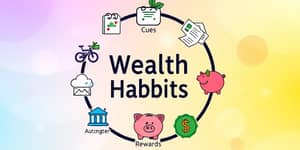
For many Americans, debt feels like an ever tightening loop that chokes opportunity and peace of mind. Yet, with determination and informed action, it’s possible to break free.
Understanding the National Debt Spiral
The United States faces a mounting fiscal challenge: over $34.6 trillion in public debt, nearing 100% of GDP. Each year, the government borrows more than it collects, driving deficits above $1.8 trillion.
Such a trajectory accelerates when interest rates outpace economic growth. Today’s rates hover above 4%, while real GDP growth averages just 2%. This imbalance risks a “snowball effect,” where interest costs consume ever larger shares of revenue.
Although this may seem distant from personal budgets, higher national debt translates into higher borrowing costs for every citizen. Mortgages, student loans and credit cards all become more expensive when government debt drives market rates upward.
Personal Impact: From Macro to Micro
When federal debt grows unchecked, individual wallets tighten. Mortgage rates rise, making homeownership less accessible. Auto and student loan rates climb, stretching monthly payments beyond comfortable limits.
But the reverse is true as well: when individuals adopt disciplined habits, they can shield themselves from broader economic winds and build resilience.
- Emergency savings to cover unexpected costs
- Thoughtful budgeting aligned with real income
- Strategic repayment of high-interest debt
Adopting these practices not only reduces personal stress but also fosters a more stable community where collective financial health mitigates national risks.
Building Lasting Habits for Financial Freedom
Breaking free from debt demands both vision and actionable steps. The following habits create a foundation for sustainable progress:
- Automate savings contributions every payday to ensure consistent growth without relying on willpower.
- Track every dollar spent or saved to gain clarity on your financial patterns.
- Prioritize high-interest obligations such as credit cards and payday loans, reducing compounding costs.
- Allocate windfalls strategically—tax refunds, bonuses or gifts should boost savings or eliminate debt rather than fuel extra spending.
Over time, these routines become effortless. Automation and visibility create a feedback loop that rewards good choices and diminishes impulsive ones.
Another powerful technique is the “debt snowball” versus “debt avalanche.” While the avalanche targets highest interest rates first, the snowball focuses on smallest balances. Choose whichever method builds motivation most effectively for you.
Monitoring Progress and Staying Motivated
Regular review of your journey keeps momentum alive. Schedule a monthly check-in to assess balances, update budgets, and celebrate milestones.
Visual tools such as charts or progress bars can spark enthusiasm. Even a simple whiteboard with balances marked off can transform abstract numbers into tangible achievements.
Consider enlisting an accountability partner—a friend or family member who shares financial aspirations. Mutual encouragement boosts resilience when challenges arise.
Adapting to Changing Economic Winds
As macroeconomic conditions shift, remain agile. If interest rates surge further, refine your repayment plan to address new high-cost obligations first. In times of growth, seize extra income to bolster long-term goals.
Economic forecasts, such as IMF projections of a 140% debt-to-GDP ratio by 2032, serve as reminders that both individuals and nations must plan prudently. By strengthening personal finances now, you position yourself to weather broader financial storms.
Cultivating a Mindset of Abundance
True financial freedom extends beyond numbers. It’s a mindset that embraces discipline, foresight, and gratitude. When you view each saved dollar as an investment in future choices, every sacrifice gains purpose.
Practice gratitude daily for progress made. Reflect on how far you’ve come, rather than fixating on what remains. This simple shift nurtures a positive outlook, fueling further action.
The Broader Impact of Individual Action
Every disciplined spender, every saver, contributes to a healthier economy. Collectively, personal habits can dampen the shock of national debt pressures. As community resilience grows, borrowing costs stabilize, and opportunities expand.
Imagine neighborhoods where emergency funds prevent foreclosures, and local businesses thrive because customers spend with confidence. These ripple effects underscore how individual choices shape collective futures.
Escaping the debt spiral is not a distant dream but a daily practice. By understanding macro forces, adopting concrete habits, and nurturing a growth mindset, you can reclaim control of your financial trajectory. In doing so, you not only transform your own life but also strengthen the economic fabric of your community and country.
References
- https://epicforamerica.org/the-economy/the-looming-debt-spiral-analyzing-the-erosion-of-u-s-fiscal-space/
- https://nolabels.org/the-latest/the-debt-spiral-speeds-up/
- https://fortune.com/2025/10/14/america-going-broke-jpmorgan-david-kelly-debt-tariffs/
- https://www.ie.edu/insights/articles/u-s-debt-spiral-a-looming-threat-to-global-economic-stability/
- https://www.weforum.org/stories/2025/01/public-debt-problem-davos-global/
- https://budgetmodel.wharton.upenn.edu/issues/2025/5/23/debt-tariffs-and-capital-markets-in-a-dynamic-setting
- https://parachutecreditcounseling.org/caught-in-the-debt-spiral-why-record-high-aprs-and-inflation-mean-you-need-a-financial-parachute-now/